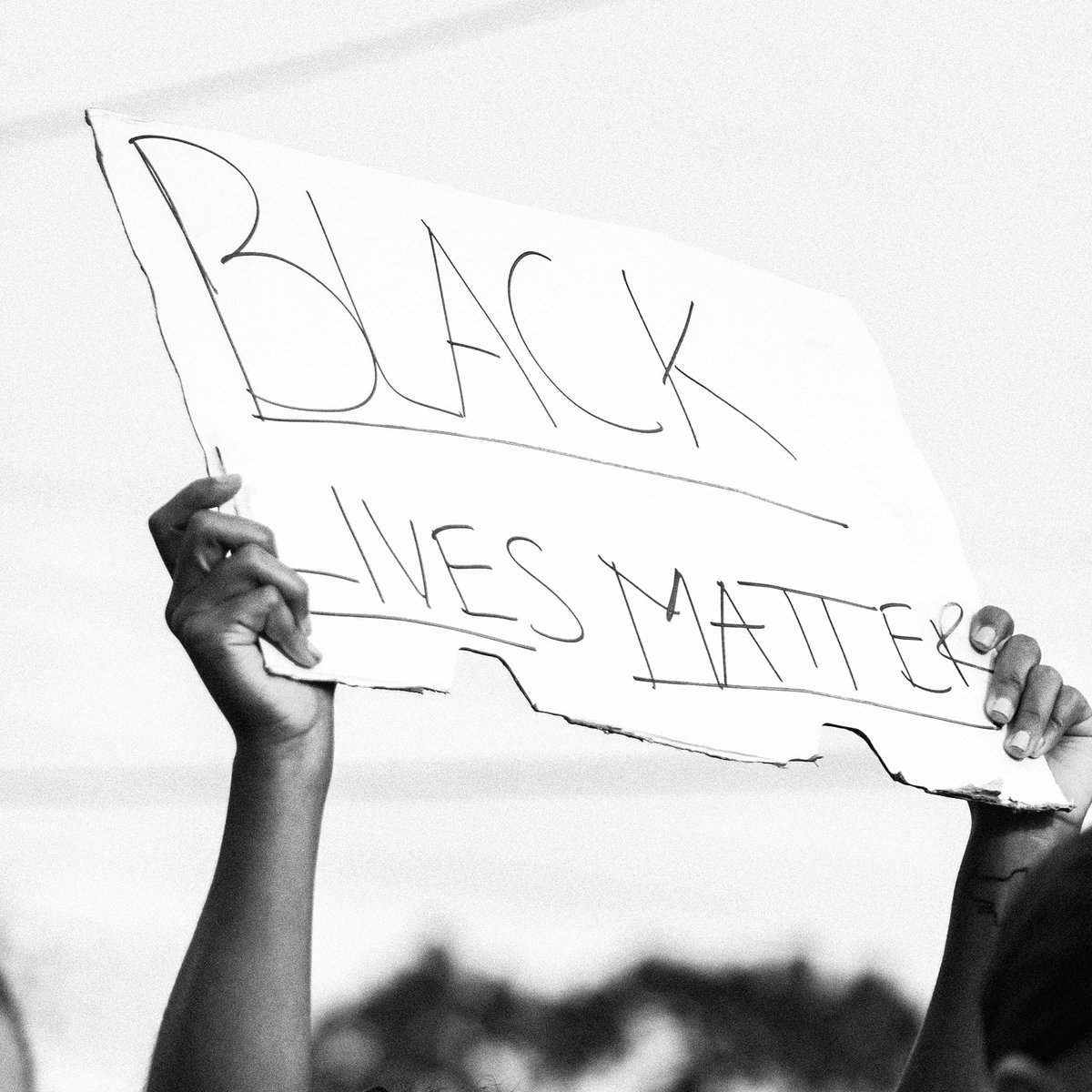
The digital world, once a mere communication convenience, has morphed into a pulsating arena for social change. Social Activism & Media Influence have become inextricably linked, fundamentally reshaping how movements are born, grow, and exert pressure on global issues. From coordinating real-time protests across continents to amplifying unheard voices, social media platforms are no longer just tools; they are the very infrastructure of modern mobilization.
This isn't about simply hitting 'share' or 'like'. It's about understanding a complex ecosystem where digital connections spark tangible action, where a hashtag can become a banner, and where algorithms can either empower or hinder the pursuit of justice. For anyone looking to understand, engage with, or lead social change in our interconnected world, grasping this dynamic is non-negotiable.
At a Glance: Your Guide to Social Activism & Media Influence
- Social media isn't new, but its activist role is constantly evolving. It started with simple connections and has grown into a powerful engine for social change, driven by our innate need to communicate.
- It’s a powerful tool for good: connecting people, sharing information rapidly, organizing massive movements, and democratizing who gets a voice. Think global climate strikes and the #BlackLivesMatter movement.
- But it comes with serious risks: misinformation, cyberbullying, doxxing, government surveillance, and even addiction can threaten both movements and individual activists.
- Different platforms, different strengths: Twitter excels at rapid-fire updates, Facebook at community building, Instagram at visual storytelling, and TikTok at viral grassroots reach.
- Younger generations and diverse communities are leading the charge online, showing unique engagement patterns.
- Effective activism demands strategy: compelling narratives, strong visuals, data-backed claims, authenticity, and consistent interaction are key.
- The future holds more advanced tools, like AI for targeted messaging and decentralized platforms for enhanced privacy, but the core human element remains vital.
- The goal is real-world impact: digital efforts must bridge the gap to tangible change, not just online chatter.
The Digital Roar: Why Social Media Became Activism's New Battlefield
Remember a time when organizing a protest meant printing flyers, making phone calls, and hoping the local news picked it up? That era feels almost ancient in the face of today's digital landscape. Social media, a term that broadly covers web-based applications for user-generated content, started humbly with email groups and online bulletin boards. Fast forward through the birth of wikis in 1994, Andrew Weinreich's SixDegrees in 1997 envisioning true networking, and the launch of giants like YouTube (2005) and Twitter (2006). Twitter, with its real-time "micro-blogging," quickly proved how short, impactful messages could gain global traction, transforming communication from a slow burn to an instant wildfire.
This evolution wasn't accidental. It's fueled by humanity's innate need to connect, to share, and to be heard. Social media platforms—from Meta's Facebook and Instagram to X (formerly Twitter), YouTube, and countless blogs—offer unlimited scope and global reach. They've long influenced everything from fashion trends and health discussions to local news and political campaigns. But their role in social activism has truly redefined their impact, turning them into indispensable tools for mobilization.
The Double-Edged Sword: Benefits and Pitfalls of Online Mobilization
Social media, for activists, is a paradox: an unparalleled amplifier and a minefield of potential threats. Understanding both sides is crucial for anyone navigating the complex world of digital advocacy.
Amplifying Voices: The Power of Connection & Outreach
The advantages of social media for activism are clear and compelling. They represent a paradigm shift in how movements operate, offering unprecedented speed, reach, and inclusivity.
- Rapid Communication & Global Reach: The most immediate benefit is the ability to disseminate information instantly. Activists can mobilize supporters in minutes, transforming what once took days or weeks. Campaigns can go viral, reaching millions globally in a fraction of the time traditional media ever could. Think of the 2019 climate strikes, which leveraged social media to bring millions to the streets worldwide, or the 2017 Women's March, largely organized through digital channels. The Arab Spring movements famously used platforms like Twitter for coordinating protests and providing real-time updates, bypassing state-controlled media.
- Democratization & Community Building: Social media democratizes activism, giving a voice to those traditionally marginalized by mainstream media. It allows diverse individuals to participate, share their experiences, and amplify their impact. This fosters a powerful sense of community and solidarity among activists, bridging geographical boundaries and creating powerful, unified fronts.
- Professional Networking & Resource Sharing: Beyond direct protests, platforms like LinkedIn (which has expanded exponentially over 22 years) enable activists, NGOs, and advocacy groups to broaden their professional circles, access diverse perspectives, share knowledge, and even collaborate on innovative solutions in a global marketplace. It’s a space where funding opportunities, strategic partnerships, and expert advice can be discovered and exchanged.
- Education & Social Awareness: Internet sites provide free online courses and tutorials, making learning accessible globally. Similarly, social media platforms facilitate social awareness initiatives and advocacy for humanitarian and social causes. They overcome language barriers and reach wider audiences, educating the public on complex issues and driving empathy and understanding. Nonprofits, in particular, excel at using these platforms for awareness campaigns and fundraising, leveraging engaging content to connect with potential donors and volunteers.
The Dark Side of Digital Advocacy: Navigating Risks
While the advantages are transformative, the digital landscape also presents significant dangers that activists must proactively address. The very tools that empower can also expose and exploit.
- Cyberbullying & Harassment: Activists, especially those challenging powerful entities or societal norms, are frequent targets of online harassment. This can include embarrassing comments, negative posts, rumor spreading, threats, and offensive videos. Such acts aim to silence voices and can cause severe, long-term psychological harm.
- Doxxing: The Peril of Exposed Privacy: Doxxing—the act of publicly revealing private personal information (name, address, email, phone) without consent—is a potent weapon against activists. Motivated by revenge, hate, or an intent to silence, doxxing can expose activists and their families to real-world threats. Examples include the release of personal information belonging to a 2016 presidential candidate's staff or even US Supreme Court justices. This highlights the severe loss of privacy inherent in our extensively interconnected digital lives.
- Misinformation & Disinformation: One of the most insidious threats is the rapid spread of false information. A Pew Research Center study found that 64% of Americans believe misinformation significantly impacts public discourse. Misleading narratives can erode trust, polarize communities, and divert resources from critical issues, severely undermining legitimate activist efforts. Activists themselves can inadvertently contribute if not vigilant about sourcing.
- Digital Surveillance & Censorship: Governments and powerful organizations can leverage social media for surveillance, tracking activists, monitoring their communications, and identifying leaders. Freedom House's 2021 report noted that 73% of countries experienced a decline in internet freedom, often involving targeted monitoring and data harvesting. Platforms themselves may restrict or remove content deemed "controversial" or in violation of often opaque terms of service, limiting an activist's message reach.
- Addiction & Mental Well-being: While less direct, the addictive nature of social media can impair an activist's overall well-being. The constant urge to check updates, the "syringe of dopamine" released by likes and shares, can lead to excessive time spent online, impacting other life areas and potentially causing burnout. Activism is demanding, and maintaining mental health is paramount.
- Child Exploitation (Indirect Impact): While not typically a direct risk to adult activists, the broader issue of child exploitation facilitated by digital communication (grooming, sharing child pornography, "kidfluencers" lacking protection) underscores the pervasive dangers of the online world. It reminds us of the darker corners of the internet that activists must navigate, and sometimes combat, to create a safer digital space for all.
Platforms as Playgrounds: Tailoring Your Message for Impact
Just as a carpenter selects the right tool for the job, effective digital activists understand that each social media platform has its unique strengths and audience.
- X (formerly Twitter): The Real-Time News Wire. With its character limits, X excels at concise, real-time updates. It's the go-to for breaking news, rapid mobilization during protests (think Arab Spring's pivotal role), and engaging journalists and policymakers. Its public nature makes it excellent for quickly disseminating information and driving trending topics.
- Facebook: The Community Hub. Facebook allows for more detailed narratives, robust community building, and meticulous event organization through its powerful group functionalities. Reaching a broad audience (69% of U.S. adults use it), it's ideal for fostering deeper conversations, sharing comprehensive resources, and coordinating longer-term campaigns.
- Instagram: The Visual Storyteller. Instagram's visual focus makes it perfect for impactful storytelling through images and videos. Visual content is processed 60,000 times faster than text, enhancing emotional engagement and amplifying awareness. Movements like #BlackLivesMatter have effectively used evocative imagery to convey powerful messages and build widespread solidarity.
- TikTok: The Viral Grassroots Engine. TikTok's algorithm prioritizes engaging, short-form video content, allowing grassroots movements to gain quick, often explosive, visibility. It's particularly effective for reaching younger demographics and can turn simple, creative acts into viral phenomena that challenge established narratives.
Who's Leading the Charge? Demographics & Cultural Nuances
Understanding who is engaging with social activism online is as important as how they're doing it. The demographic landscape shapes not only participation rates but also the platforms of choice and the types of messages that resonate.
- Youth at the Forefront: Individuals aged 18 to 29 are consistently the most active in social media activism. A 2021 Pew Research Center study found that 84% of this age group use social media, and they frequently engage with social justice content. Younger demographics, particularly Millennials and Gen Z, gravitate towards platforms like Instagram and TikTok, often using them to express political views, share personal stories, and mobilize peers.
- Diverse Voices, Amplified: Racial and ethnic minorities are often more likely to engage in social media activism. For example, 50% of Black Americans are more likely to express political views on social media compared to 30% of White Americans. These platforms provide crucial spaces for marginalized communities to share experiences, build solidarity, and challenge systemic inequalities without relying on traditional media gatekeepers.
- Cultural Differences in Action: Culture profoundly influences communication styles, values, and the issues prioritized in activism. Collectivist cultures, for instance, might emphasize community-oriented campaigns and collective action, as seen in the wide-scale coordination of the Arab Spring movements. Individualistic cultures, on the other hand, might lean towards personal narratives and individual freedom. Understanding these nuances helps tailor messages for maximum impact across diverse global audiences.
- The Rise of Intersectionality: A growing trend in social activism is the emphasis on intersectionality—the idea that various social identities (race, gender, class, sexual orientation, disability) combine to create unique experiences of discrimination and privilege. Online spaces are increasingly becoming vital for exploring and addressing these interconnected issues, fostering more inclusive and comprehensive movements.
Mastering the Message: Strategies for Effective Digital Activism
Effective digital activism isn't just about shouting into the void; it's about strategic communication that resonates, mobilizes, and sustains engagement. Here's how to craft a powerful online presence that translates to real-world change.
- Compelling Narratives & Storytelling: Humans are hardwired for stories. Utilize storytelling techniques and personal narratives to connect emotionally with your audience. Make complex issues relatable and memorable by showing why it matters to real people. The #BlackLivesMatter movement, for instance, powerfully shared individual experiences of injustice, fostering widespread empathy and understanding.
- Engaging Visuals: In a scroll-heavy world, visuals stop the thumb. Incorporate high-quality images, powerful videos, and informative infographics. Posts with images receive 94% more views than text-only posts and simplify information for higher shareability. A striking photo or a well-produced short video can convey more impact than paragraphs of text.
- Data-Driven Messaging: While emotion drives connection, facts build credibility. Support your claims with compelling statistics, research findings, and expert opinions. Present data clearly and concisely, perhaps through infographics or short, digestible snippets, to enhance trustworthiness and persuade audiences who seek evidence-based arguments.
- Authenticity & Transparency: In an era rife with "fake news," authenticity is gold. Build trust with your audience by being genuine, transparent, and consistent in your messaging. People connect with real voices and real passion, not corporate-sounding pronouncements.
- Interaction & Community Building: Social media is a two-way street. Engage with your followers through interactive posts, polls, Q&A sessions, and by actively responding to comments and messages. Foster a sense of community by encouraging dialogue, acknowledging contributions, and creating spaces where supporters feel heard and valued.
- Relevant Hashtags: Hashtags are your digital signposts. Use appropriate, concise, and widely recognized hashtags to increase discoverability and boost awareness. Research trending and niche hashtags related to your cause. A well-chosen hashtag, like #BlackLivesMatter, can become a unifying symbol and a powerful tool for information aggregation.
- Digital Security Measures: Protecting yourself and your movement is paramount. Employ robust digital security measures: use encrypted communication apps for sensitive discussions, implement strong, unique passwords for all accounts, and be vigilant about phishing attempts. Educate your community on online safety best practices to safeguard against doxxing and surveillance.
The Road Ahead: Future Trends Shaping Social Activism
The landscape of social media activism is constantly evolving. Staying ahead of these trends will be crucial for movements aiming for sustained impact.
- AI for Targeted Messaging: Artificial intelligence is poised to become a powerful ally. AI tools will analyze vast amounts of data to tailor messages to specific audiences, identify key influencers, and optimize content for maximum engagement. This means more personalized, impactful campaigns that resonate deeply with segmented groups.
- Decentralized Platforms & Privacy: As concerns about data privacy and censorship grow, we'll likely see a rise in decentralized platforms like Mastodon. These offer users greater control over their personal data and aim to reduce the risk of censorship from centralized authorities. For activists, this translates to potentially safer, more secure spaces for organizing and communicating sensitive information.
- Technological Evolution & Enhanced Tools: Expect continuous advancements in communication tools. Live streaming will become even more immersive and interactive, "story" formats will evolve to offer richer engagement, and data analytics will provide deeper insights into campaign performance. Algorithmic changes will increasingly prioritize social justice content, offering new avenues for visibility and reach. This ongoing evolution will provide activists with a richer toolkit for their campaigns.
Beyond the Screen: Ensuring Your Digital Efforts Translate to Real-World Change
The ultimate goal of social activism isn't just to trend online; it's to effect tangible change in the real world. The most impactful movements understand that digital engagement is a powerful catalyst, not the final destination.
Effective digital activism requires a clear bridge from online chatter to offline action. This means leveraging social media to:
- Educate and Persuade: Use platforms to share accurate, compelling information that shifts public opinion and builds a foundational understanding of the issues.
- Mobilize and Organize: Coordinate protests, rallies, legislative calls, and community meetings. The digital world excels at bringing people together physically or virtually for collective action.
- Pressure and Hold Accountable: Direct online campaigns at decision-makers, corporations, and institutions to demand accountability and policy changes. Petitions, targeted messaging, and trending hashtags can create immense pressure.
- Sustain and Grow: Build lasting communities of supporters, nurture solidarity, and recruit new activists. Social media helps maintain momentum long after a specific event has passed.
The true measure of Social Activism & Media Influence lies in its ability to transform awareness into action, dialogue into policy, and digital communities into movements that reshape societies. It demands vigilance against online threats, savvy use of diverse platforms, and a relentless focus on translating digital energy into real-world impact. To dive deeper into the dynamics of support, advocacy, and collective action, learn everything about The Help 2. Mastering this transition is the hallmark of truly effective digital-age activism.
Common Questions About Social Activism & Media Influence
Is "slacktivism" a real problem for social movements?
"Slacktivism" refers to low-effort online actions (like liking a post or signing an online petition) that don't translate into meaningful real-world engagement. While it's easy to dismiss these actions, the reality is more nuanced. Even low-barrier engagement can increase awareness, introduce people to a cause, and serve as an entry point for deeper involvement later. The problem isn't the act itself, but the assumption that it's sufficient. Effective movements acknowledge and then build on these initial engagements to guide people towards more impactful actions.
How can I tell if online activist content is credible?
Verifying information is crucial. Look for content that cites sources, links to reputable news organizations or academic studies, and presents balanced arguments where appropriate. Be wary of emotionally charged posts without evidence, anonymous sources making sensational claims, or content that seems designed to provoke rather than inform. Cross-reference information with multiple trusted sources, and use fact-checking websites when in doubt.
What are the biggest threats to online activism today?
The biggest threats include the rapid spread of misinformation and disinformation, which can confuse public opinion and undermine legitimate efforts. Digital surveillance and censorship by governments and platforms pose significant risks to activist safety and message reach. Lastly, online harassment, doxxing, and cyberbullying can silence voices and cause severe personal harm, making digital security and community support paramount.