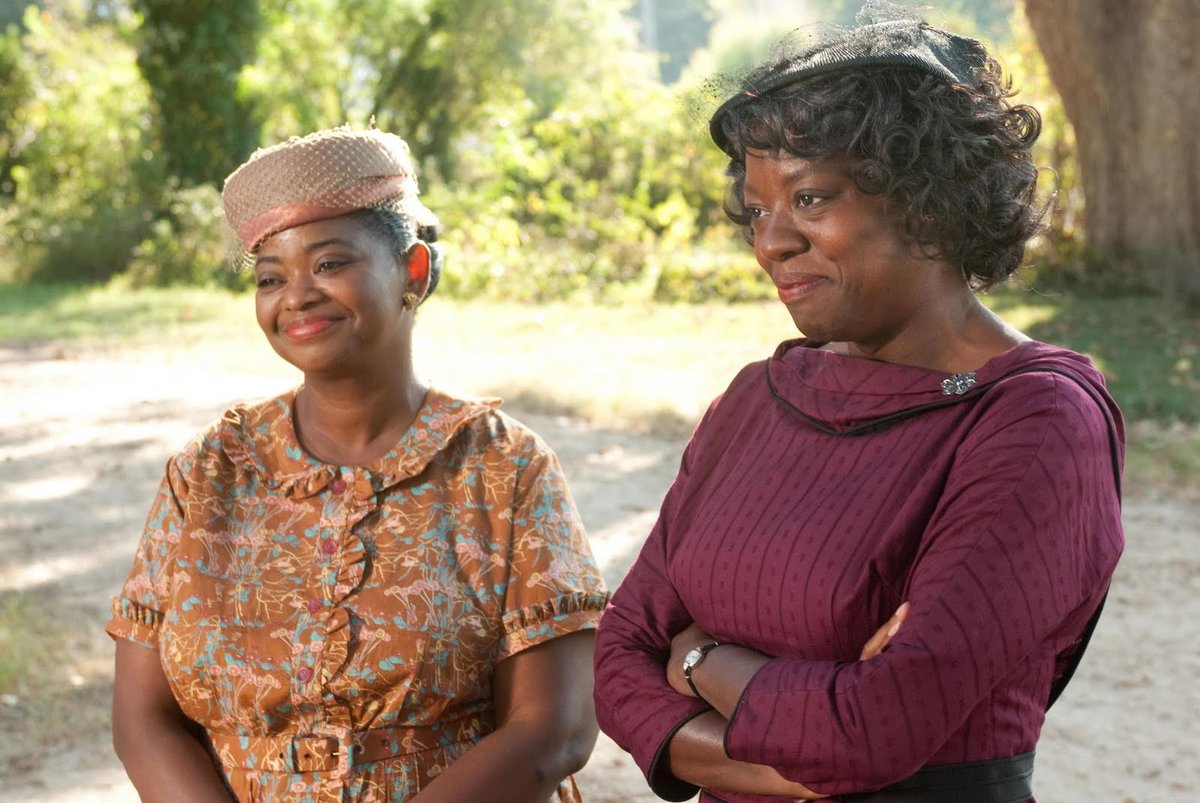
The 2011 film "The Help" ignited a global conversation, pulling audiences into 1963 Jackson, Mississippi, through the eyes of black domestic workers and an aspiring white journalist. A critical and commercial success, the film garnered immense praise for its powerhouse performances, particularly from Oscar-winners Octavia Spencer and Jessica Chastain. Yet, it also sparked crucial discussions about representation, historical accuracy, and the nuances of the Civil Rights era.
Now, a fascinating idea for "the help 2" has emerged, championed by Jessica Chastain herself. She envisions a continuation of the story, focusing squarely on the unconventional and heartwarming bond between her character, Celia Foote, and Octavia Spencer's Minny Jackson. This proposed sequel offers a unique opportunity to revisit beloved characters and delve deeper into themes only touched upon in the original.
Re-examining the Foundation: The Original "The Help"
Before we look forward to the potential of "the help 2," it's vital to appreciate the complex tapestry woven by the first film. Written and directed by Tate Taylor, "The Help" adapted Kathryn Stockett's novel, following Eugenia "Skeeter" Phelan as she endeavors to expose the systemic racism faced by black maids like Aibileen Clark and Minny Jackson. This narrative unfolds against the charged backdrop of the 1963 Civil Rights movement, providing a glimpse into a pivotal moment in American history. To truly grasp the world these characters inhabited, you might want to Explore the Civil Rights Era in more detail.
The film's plot, driven by the courage of Aibileen and Minny sharing their stories, led to the anonymous publication of "The Help," a book that shook the foundations of Jackson's segregated society. From Minny's infamous "terrible awful" pie to Celia Foote's struggle for acceptance, the film painted a vivid picture of resilience, prejudice, and unexpected friendships.
The Enduring Appeal of Celia and Minny
Among the film's memorable characters, the bond between the ostracized socialite Celia Foote and the sharp-tongued maid Minny Jackson truly stood out. Celia, often dismissed by Jackson's high society, finds an unlikely ally and confidante in Minny after Hilly Holbrook's manipulations leave Minny jobless. Their shared journey of mutual support and growing affection resonated deeply with viewers.
Jessica Chastain's portrayal of Celia, which earned her an Oscar nomination, brought warmth, vulnerability, and strength to the character. Her vision for "the help 2" centers on the premise that Celia and Minny continued to live together, raising Celia's child and solidifying their bond as best friends. This potential sequel offers a rich ground for exploring the complexities of these Character Portrayals & Stereotypes beyond the scope of a supporting storyline. It allows for a deeper dive into their evolution and the challenges they would face continuing their unique household in a changing America.
The Craft Behind the Story: From Page to Screen
The success of "The Help" wasn't just in its story, but in its execution. Director Tate Taylor assembled an extraordinary ensemble cast, with Emma Stone, Viola Davis, Bryce Dallas Howard, Octavia Spencer, and Jessica Chastain delivering performances that elevated the material. The film's production, primarily shot in Greenwood, Mississippi, meticulously recreated 1960s Jackson, immersing audiences in the era's visual and social landscape.
The way the narrative was structured, balancing humor with profound emotional depth, allowed the challenging subject matter to reach a broad audience. Understanding how such a powerful story is translated from a novel to a global cinematic phenomenon can offer valuable insights. You can further Learn filmmaking and storytelling Master filmmaking by examining the choices made in bringing this particular story to life.
Navigating Acclaim and Critique: The Film's Complex Legacy
"The Help" was undeniably a box office hit, grossing over $221 million worldwide, and an awards season darling, securing four Academy Award nominations and one win for Octavia Spencer. Its strong reception underscored its impact on audiences. However, the film also faced significant criticism, particularly from the Association of Black Women Historians, who highlighted concerns about its "white savior" narrative, its portrayal of African-American vernacular, and its potential to trivialize the experiences of black domestic workers.
Even lead actresses like Viola Davis and Bryce Dallas Howard have since expressed regrets about their involvement, with Davis stating she felt she "betrayed myself and my people." These varying perspectives are crucial to understanding how a film can resonate widely while also attracting profound social commentary. To understand the various viewpoints and the broader implications, it's insightful to Explore Audience Reception Understand Cultural Impact in greater detail.
The Enduring Conversation: Media, Activism, and Empathy
Regardless of its criticisms, "The Help" undeniably sparked conversations about race, class, and the hidden histories of domestic workers. The very act of Skeeter Phelan documenting the maids' stories within the film mirrors the power of media to influence social change. The discussion surrounding the film, both positive and negative, is a testament to the ongoing relevance of its themes.
The film's ability to provoke thought and conversation, even about its own shortcomings, highlights the important role that storytelling plays in societal progress. If you're interested in how narratives shape our world and push for change, delve into Social Activism & Media Influence through various media forms.
The Vision for The Help 2: A New Chapter for Celia and Minny
Jessica Chastain's call for "the help 2" to focus on Celia and Minny offers a compelling narrative hook. The original film left these two characters charting an independent path, away from the judgmental eyes of Jackson society. Their continued cohabitation and shared responsibility for a child would present a fresh set of challenges and triumphs.
This sequel could explore:
- Evolving Friendship: How does their bond deepen and transform over time, especially away from the immediate pressures of the 1963 setting?
- Motherhood and Identity: Celia's journey as a mother, supported by Minny, would provide new layers to her character, potentially allowing for a more complete exploration of her arc that Chastain felt was incomplete in the first film.
- Addressing Past Criticisms: A sequel could, perhaps, offer an opportunity to address some of the original film's criticisms by centering a narrative fully on black characters, or at least giving Minny an even more prominent and unfiltered voice in the storytelling.
The idea of "the help 2" focusing on Celia and Minny is more than just a continuation; it's a chance to build upon a beloved relationship, offer deeper character insights, and potentially contribute new perspectives to the important conversations the original film began.